In recent years, the policy direction in the housing sector has become increasingly clear: adhere to the principle of 'housing is for living in, not for speculation,' accelerate the establishment of a housing system that integrates both renting and purchasing, and place greater emphasis on meeting housing needs and improving living quality.As an important carrier for accommodating urban population mobility and helping new residents and young people settle down, the rental market is evolving from"Expansion in scale" is moving towards "high-quality development." The key to industry competition is also shifting from "racing for speed" to "strengthening the foundation"—safety and compliance are becoming the most rigid bottom line for leasing services.
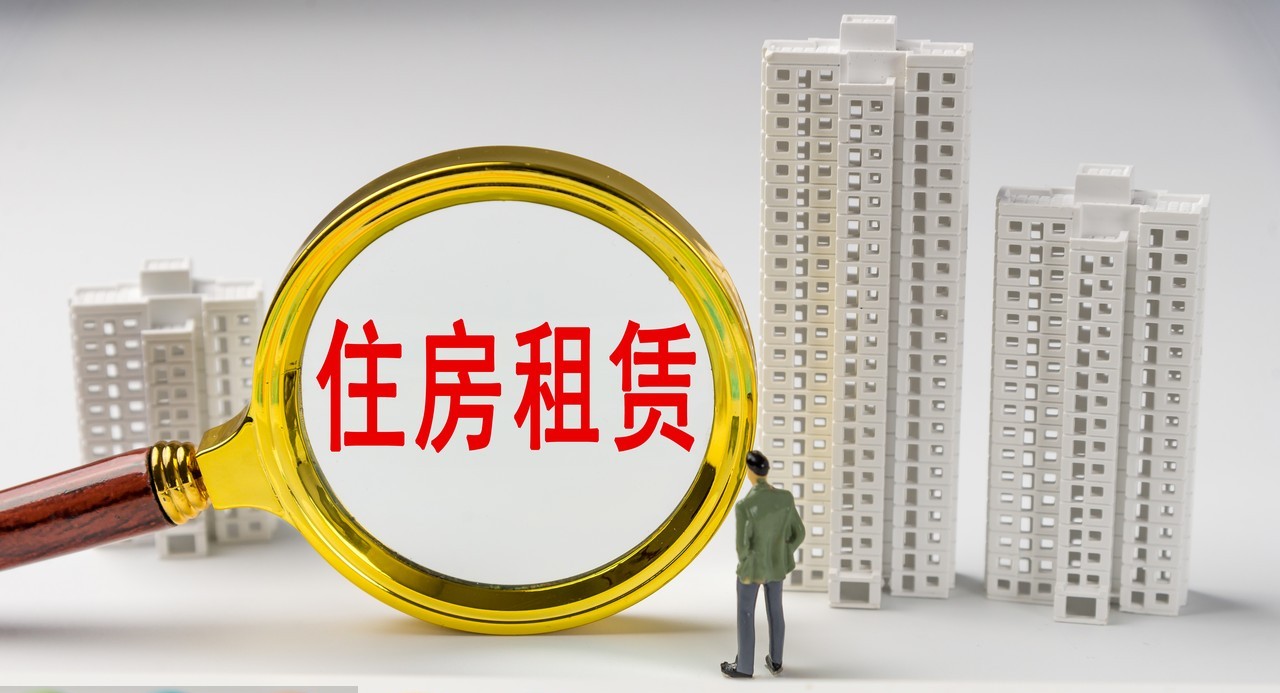
At the same time, social expectations are also upgrading: rental services are no longer just about transaction matching and contract management; more importantly, risk governance should be handled proactively. In reality,Rental properties often have hidden risksFeatures such as 'concealed, lengthy chains, and severe consequences,' for example, unauthorized electrical wiring and aging circuits, problems with gas hoses and valves, illegal partition modifications, blockages of fire escape routes, and missing emergency facilities, are normally inconspicuous. Once exposed after occupancy, they affect not only tenants and property owners but also concern urban public safety and industry order.
Therefore, the industry is forming an increasingly clear consensus: the bottom line of leasing is notNot just 'able to rent out,' but 'rented safely and lived in with peace of mind.' Put safety responsibility in the forefront and move the risk checkpoints forward.EstablishThe closed-loop mechanism of 'pre-rental inspection—risk warning—rectification suggestions—review and record-keeping' is becoming a must-have option for leading platforms aiming for long-term development.Can (it) beTurning the 'invisible safety investments' into standardized, executable, and traceable process management is also becoming an important benchmark for measuring the professionalism and responsibility of rental platforms.
Beike Worry-Free Rental: Write responsibility into the process, put safety first
As an industry-leading residential service platform, Beike Worry-Free Rent always adheres to long-term principles: not only providing good properties, but also offering good services and reliable guarantees. Especially in the rental sector, Beike will"Being responsible to tenants and owners" falls on actionable steps—before renting the property to tenants, proactively involve third-party professionals to conduct safety inspections, identify potential hazards, provide risk warnings, and offer recommendations for rectification in advance.
What this reflects behind the scenes is not"Form" is not the point; it is a more valuable corporate responsibility: allowing tenants to obtain clearer safety information and risk warnings before moving in, enabling owners to have a better understanding of the house's condition and directions for improvement, and at the same time promoting the upgrade of rental services with higher standards, making 'safety compliance' a basic requirement of rental services.

Ruijie Assistance: Using third-party expertise, to"Safety responsibility" falls into the details
Safety inspections should not just stay at the level of slogans; they need to be systematic, standardized, and complete.As a listed company on the A-share market, Shenzhen Ruijie has long been deeply engaged in the field of existing building and operational safety, forming a mature methodological system covering 'risk identification—on-site verification—issue grading—rectification closed loop—review and traceable record,' which can provide more objective, standardized, and traceable third-party safety inspection support for leasing scenarios, enhancing the rigor and credibility of the overall governance process.
For Beike's worry-free rental property safety inspection service, Ruijie is based on a standardized checklist and achieves consistent delivery through digital tools: on-site mobile data collection with traceability, problem grading and rectification tracking, and review records that are traceable. At the same time, by combining technologies such as image recognition and data platforms, it enhances recognition efficiency and result consistency, making risk warnings clearer, rectification suggestions more actionable, and closed-loop management more verifiable, promoting rental safety governance to truly be implemented in an executable and reviewable process management.
Make peace of mind a consensus in the industry: Safety is not a cost, but the foundation of the brand
Today's rental services compete not only on listings and efficiency, but also on bottom lines and long-term value. Putting safety ahead of renting out may not bring immediate benefits."Faster transactions" will certainly bring more stable risk management capabilities, a more sustainable service experience, and stronger brand trust.Beike Stress-Free Rent chooses to introduce third-party safety inspections before renting out properties, essentially performing a 'difficult but right thing' to a higher standard—truly embedding 'responsibility to the customer' into processes and mechanisms.Shenzhen Ruijie will also continue to leverage its professional capabilities and third-party credibility to help Beike turn rental safety management into a replicable and scalable standardized practice, benefiting tenants, owners, and the cityContributing to a 'peaceful residence'.
 +8618165703642

 Online Consultation




 Phone
Phone

 WeChat


 Consult