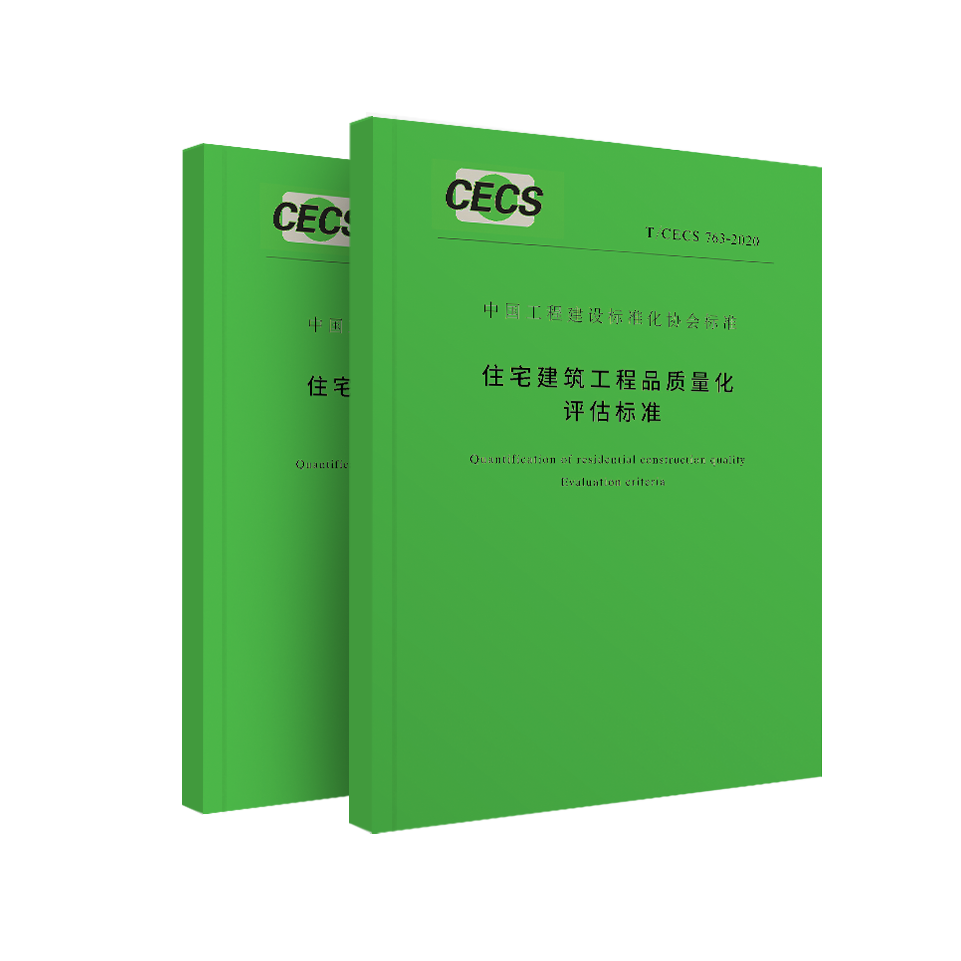
The "Standard for Quantitative Evaluation of the Quality of Residential Building Projects" came into effect on February 1, 2021, filling the gap in the quantitative evaluation of the quality of residential building projects in China. It aims to unify the content and methods of construction quality assessment, strengthen the operability of quality evaluation standards for building projects, clearly define quality control objectives for project managers, and actively promote the refinement and transformation of project management levels.

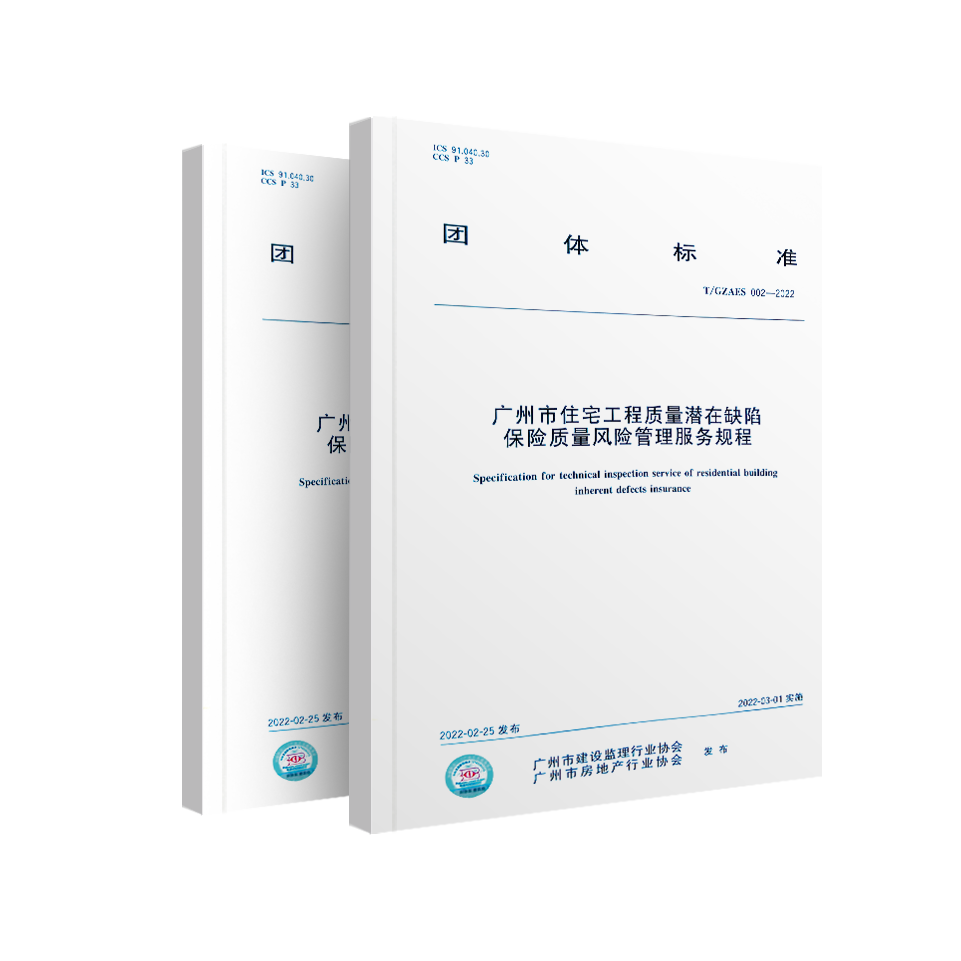
The 'Guangzhou Residential Project Quality Potential Defect Insurance Quality Risk Management Service Regulations' apply to the quality risk management services for newly built residential projects insured with residential project quality potential defect insurance.

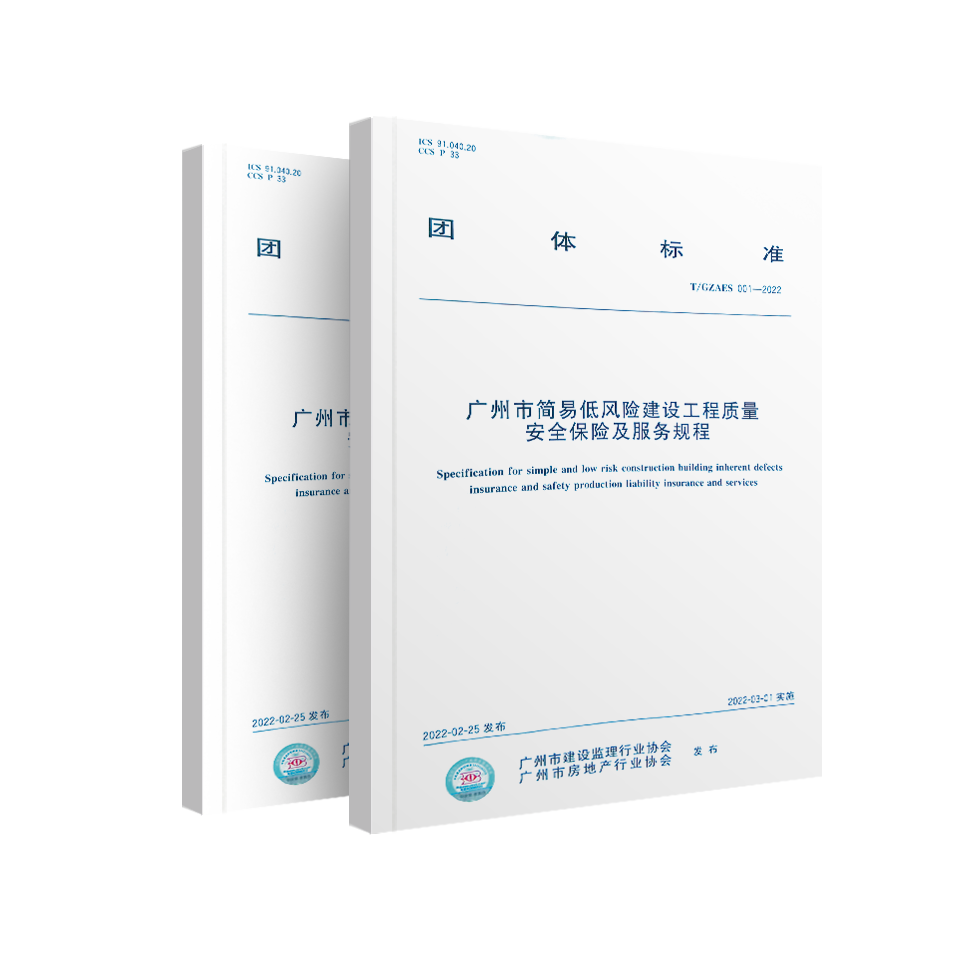
The 'Guangzhou Simple Low-Risk Construction Project Quality and Safety Insurance and Service Regulations' are applicable to the management and services of quality latent defect insurance and work safety liability insurance for newly built simple low-risk construction projects.

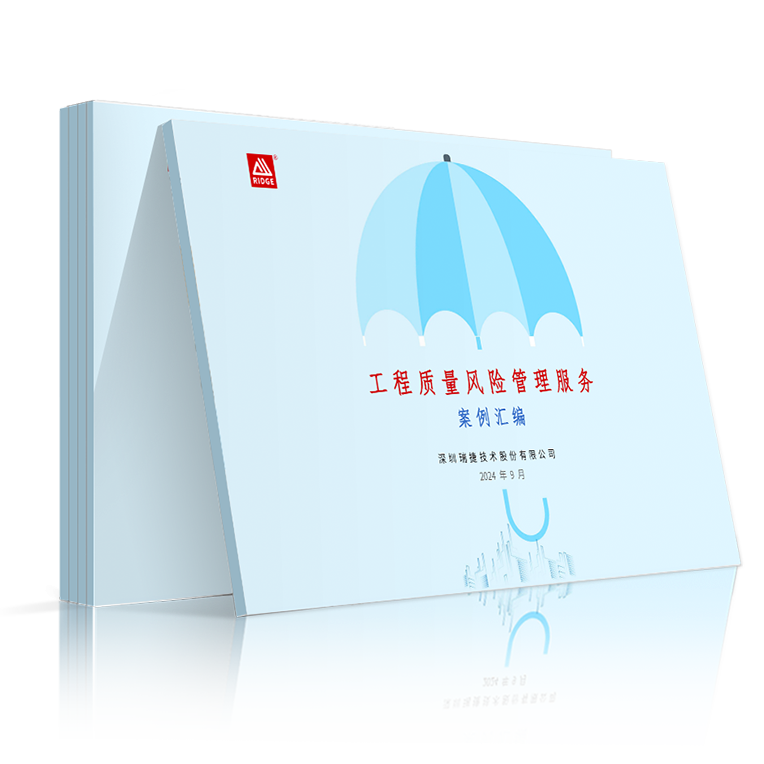
The content is compiled based on RuiJie's actual implementation of IDI-TIS services in the Guangzhou area, covering 160 common engineering quality issues and major risks.

Summarize the challenges faced by the industry, and point out service strategies and practical cases for risk mitigation, exploring the application of information technology, big data, and Internet of Things technologies in risk mitigation services.

Focusing on the key role of building quality and safety in urban renewal, and exploring and analyzing the content, demands, and challenges of renewal

Carefully analyze specific cases of the Ministry of Housing and Urban-Rural Development and the Department of Housing and Urban-Rural Development, gather the two main groups of government and urban investment, and explore new paths for the steady advancement of high-quality industry development

Shenzhen Ruijie, Greentown China, and China Pacific Insurance jointly released a report focusing on the four major stages of green development in China, reviewing the top 10 incentive policies in various regions, in-depth analyzing the four major characteristics of the green building standards system, and providing a comprehensive analysis of green buildings.

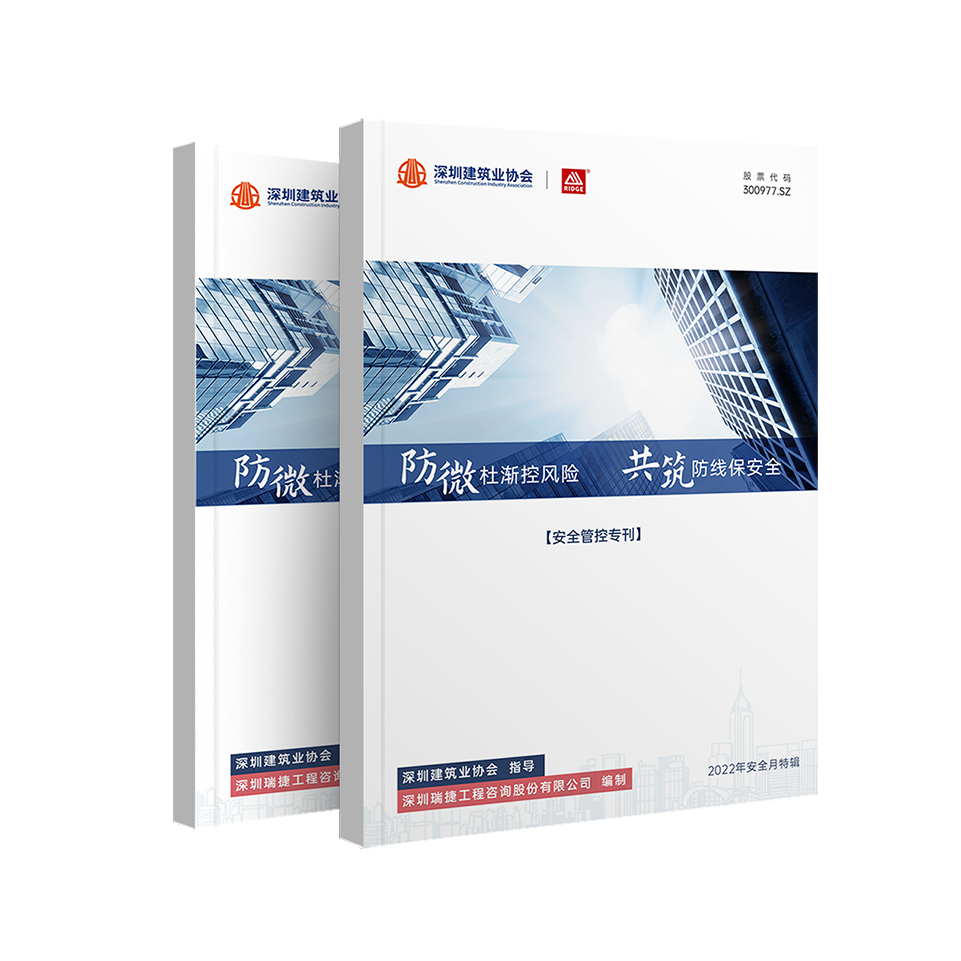
Guided by the Shenzhen Construction Industry Association and compiled by Shenzhen Ruijie, this document combines excellent industry practices and Ruijie's on-site experience. The content covers municipal engineering, small and scattered projects/self-built houses, flood and typhoon prevention, large machinery, high-rise construction, fire safety, underground engineering, and intelligent safety supervision, addressing recent hotspots and key safety management points, providing a comprehensive analysis of how to prevent safety risks.

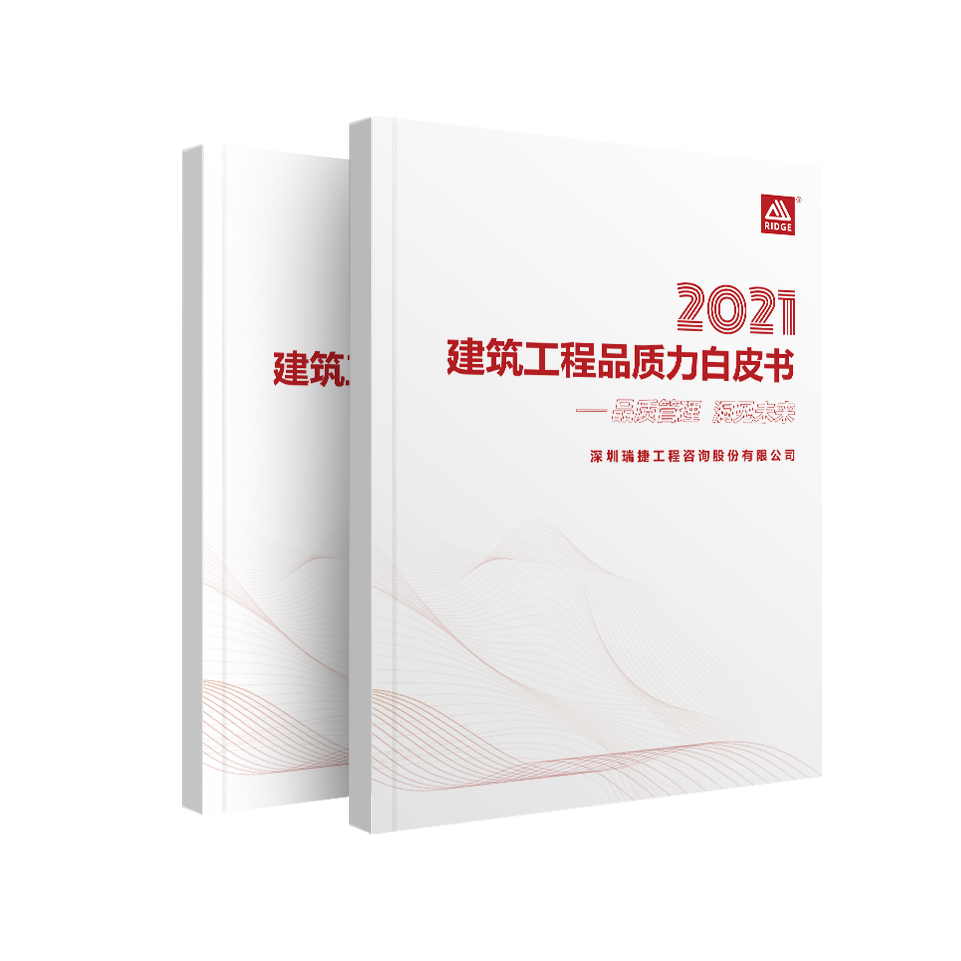
Focusing on the quality strength of the construction engineering industry, relying on Shenzhen Ruijie's more than 10 years of rich experience, knowledge accumulation, and big data center, to analyze the latest trends and future directions of quality in the real estate industry.

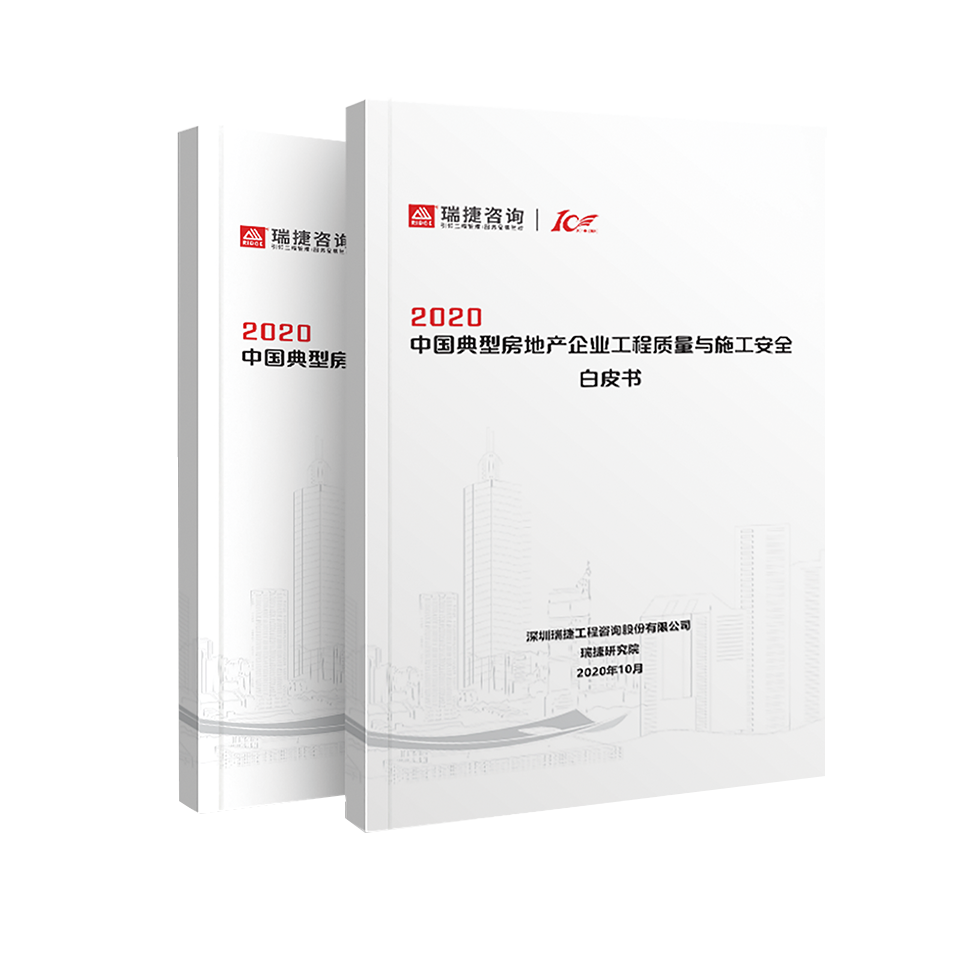
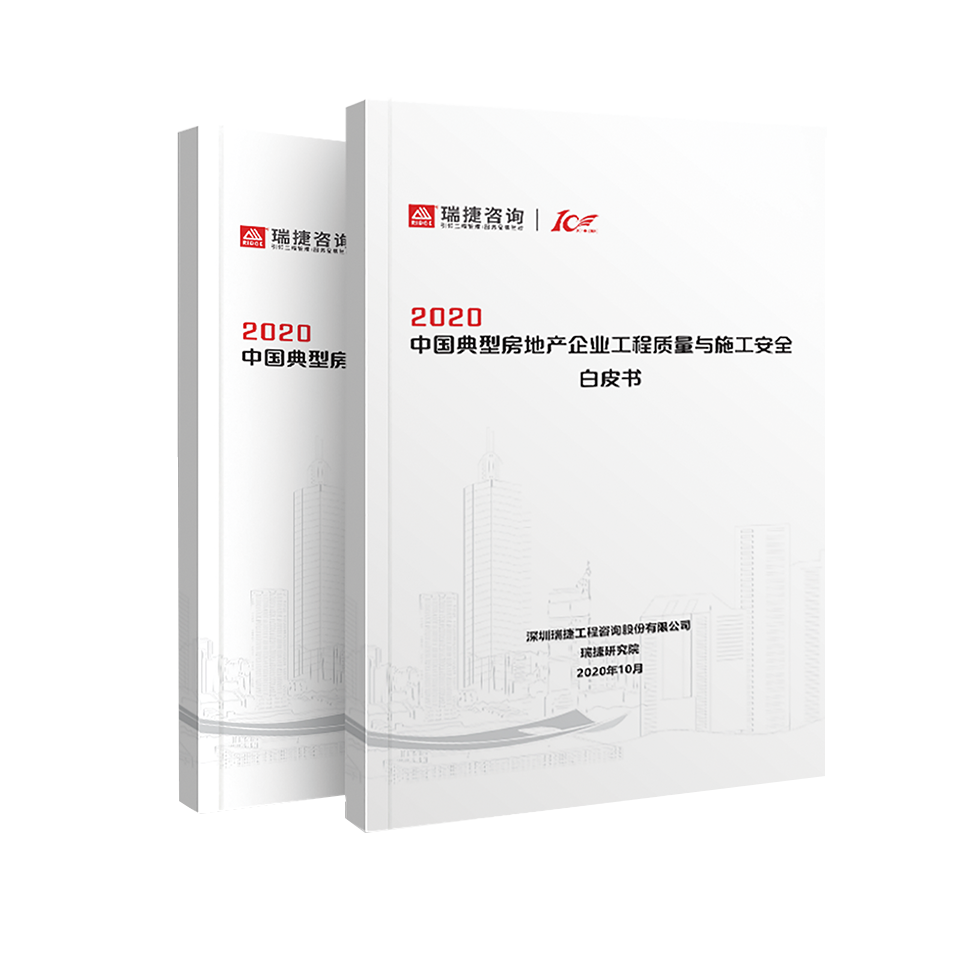
The '2020 China Typical Real Estate Enterprises Engineering Quality and Construction Safety White Paper' predicts industry development trends, provides an in-depth analysis of the engineering quality of real estate in 10 major city clusters and the current situation of construction quality and construction safety of typical real estate enterprises, and conducts special case studies on industry pain points such as leaks.

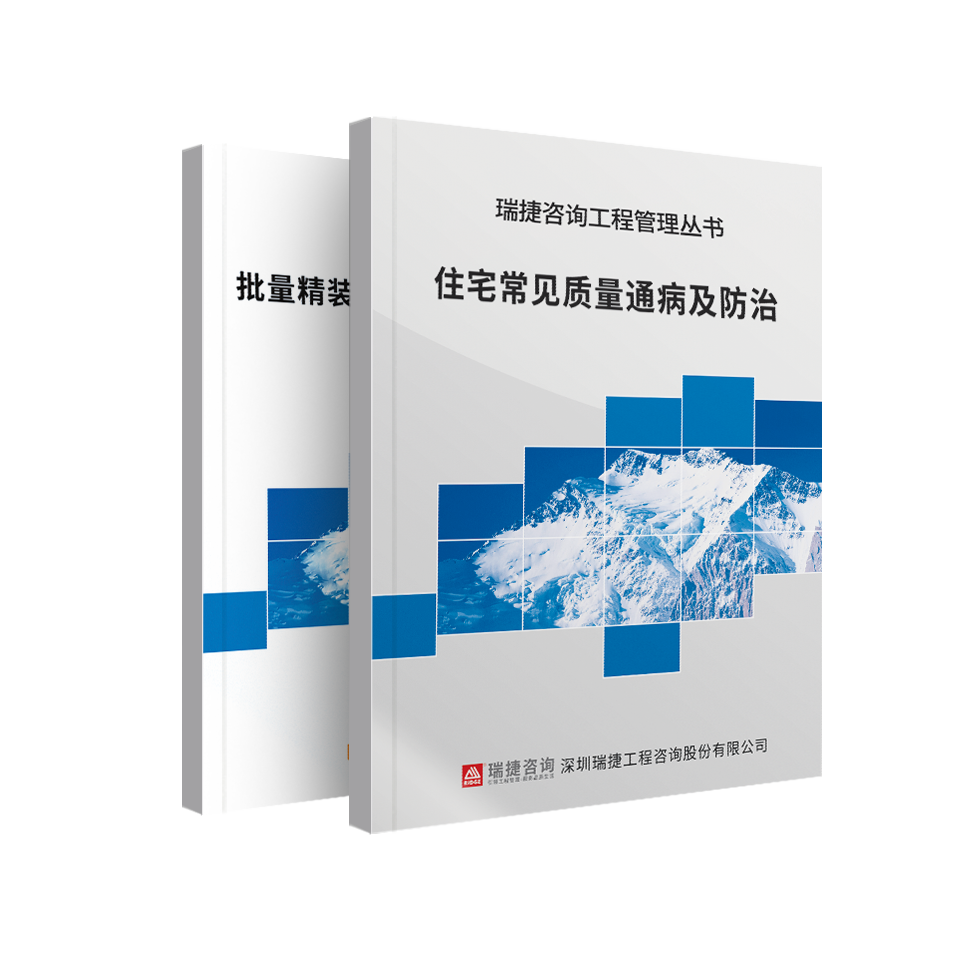
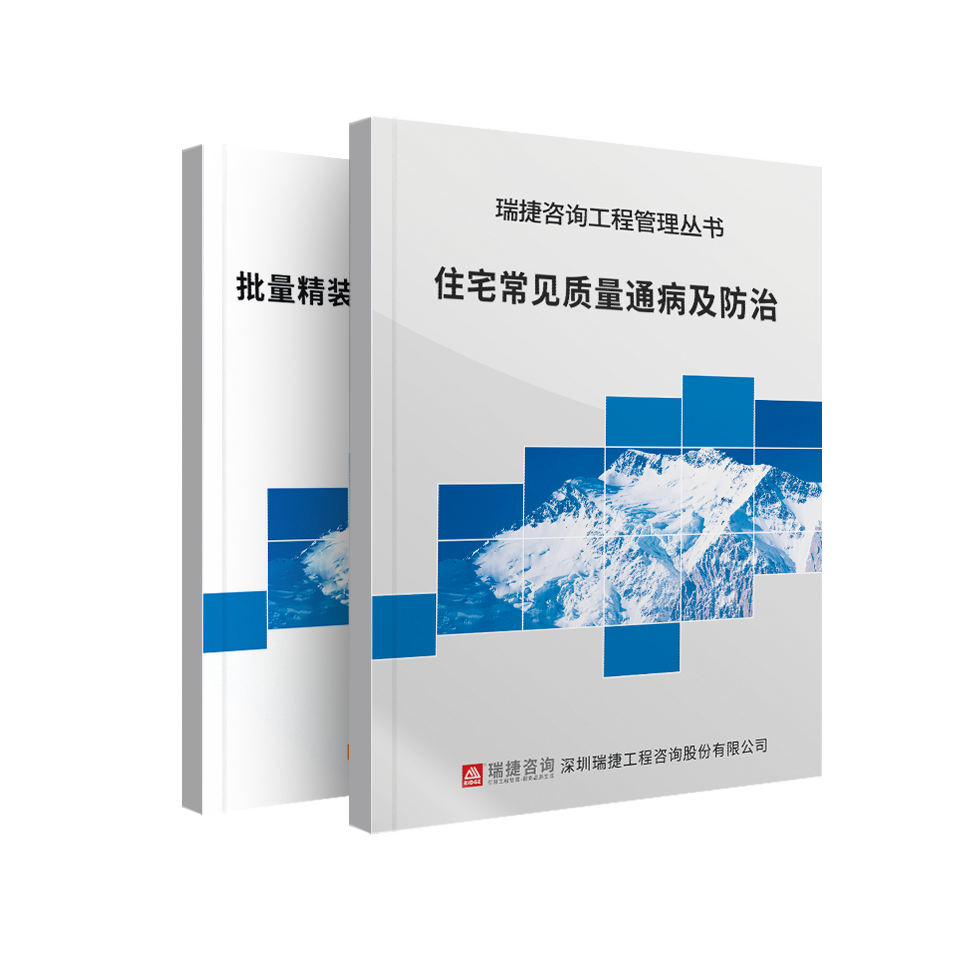
The series on engineering management is compiled from common quality issues and industry problems, summarizing practical experience and research results.

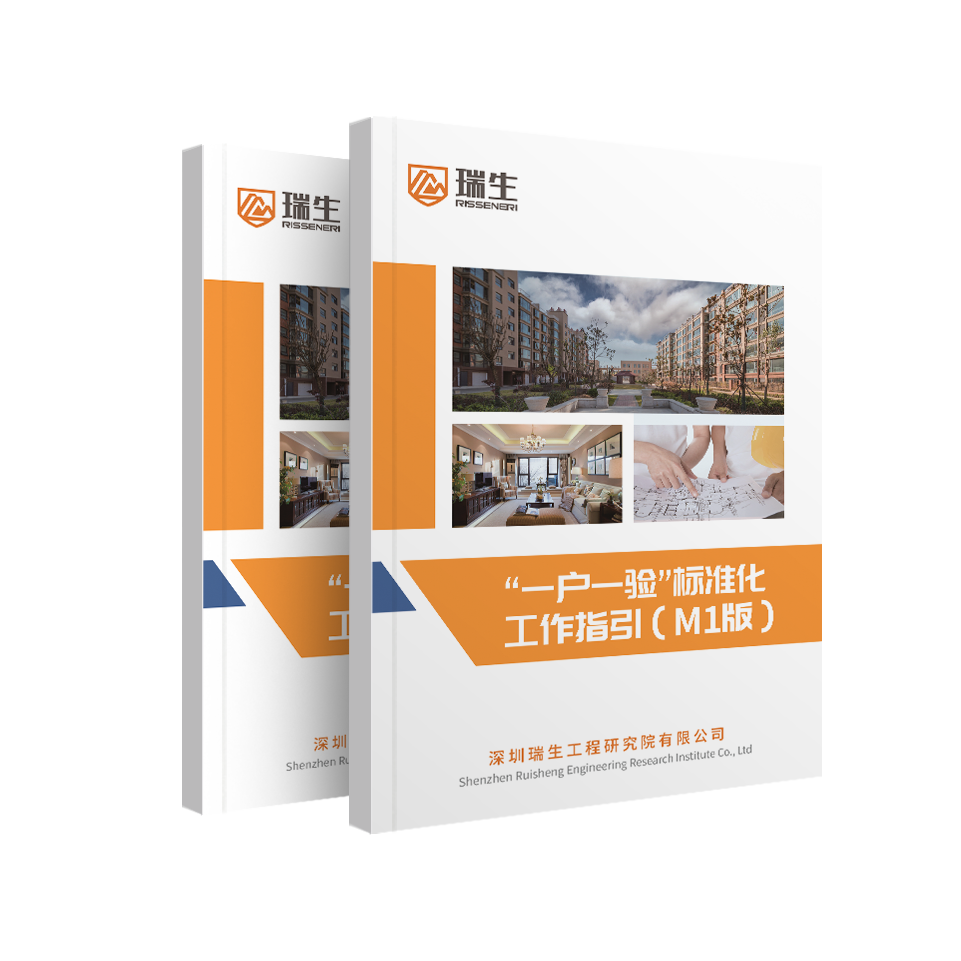
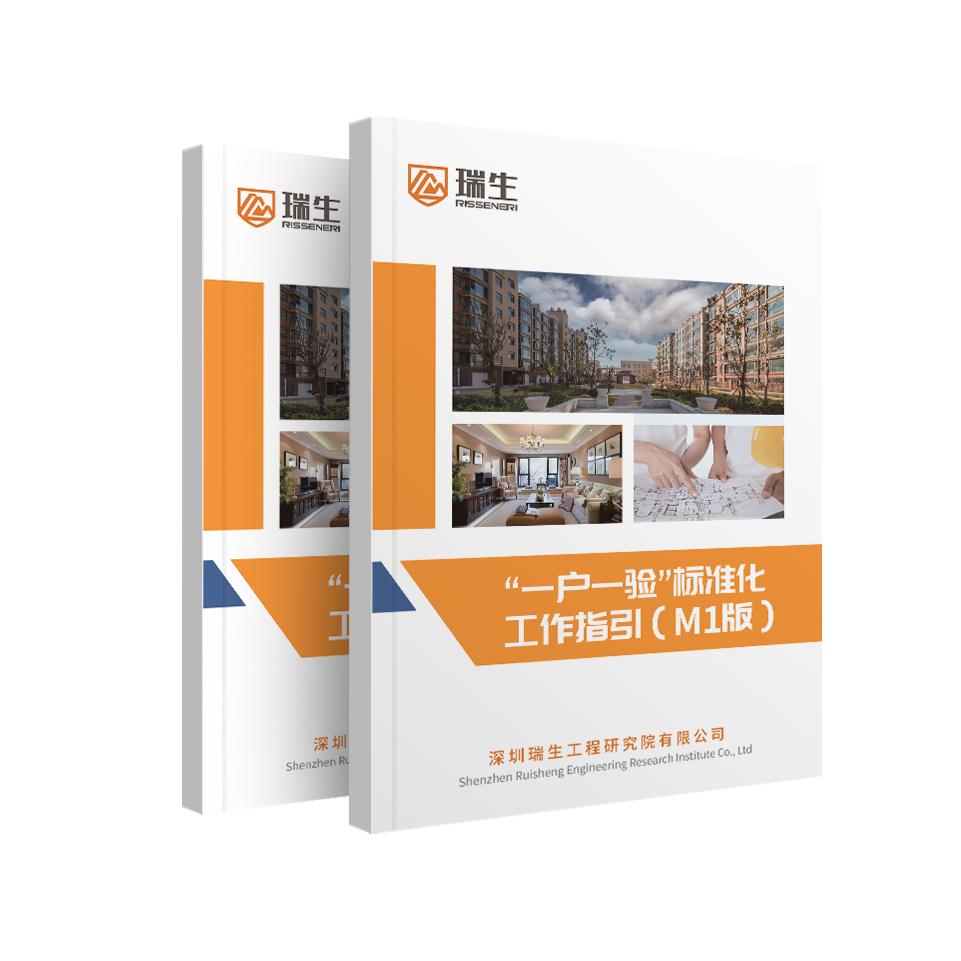
Ruisheng Engineering Research Institute has organized its research results into technical manuals, including 'A Brief Analysis of Fine Decoration Project Management Cases' and 'Practical Guide to Quality Control of Fine Decoration'.

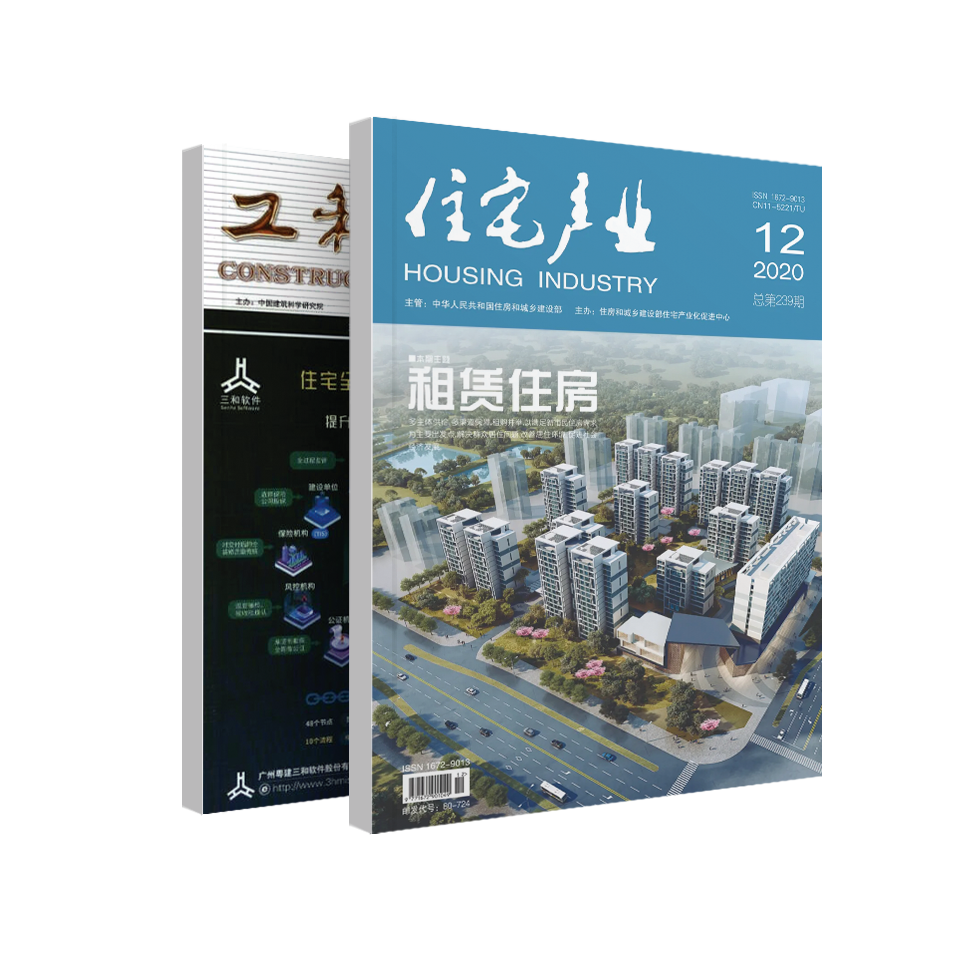
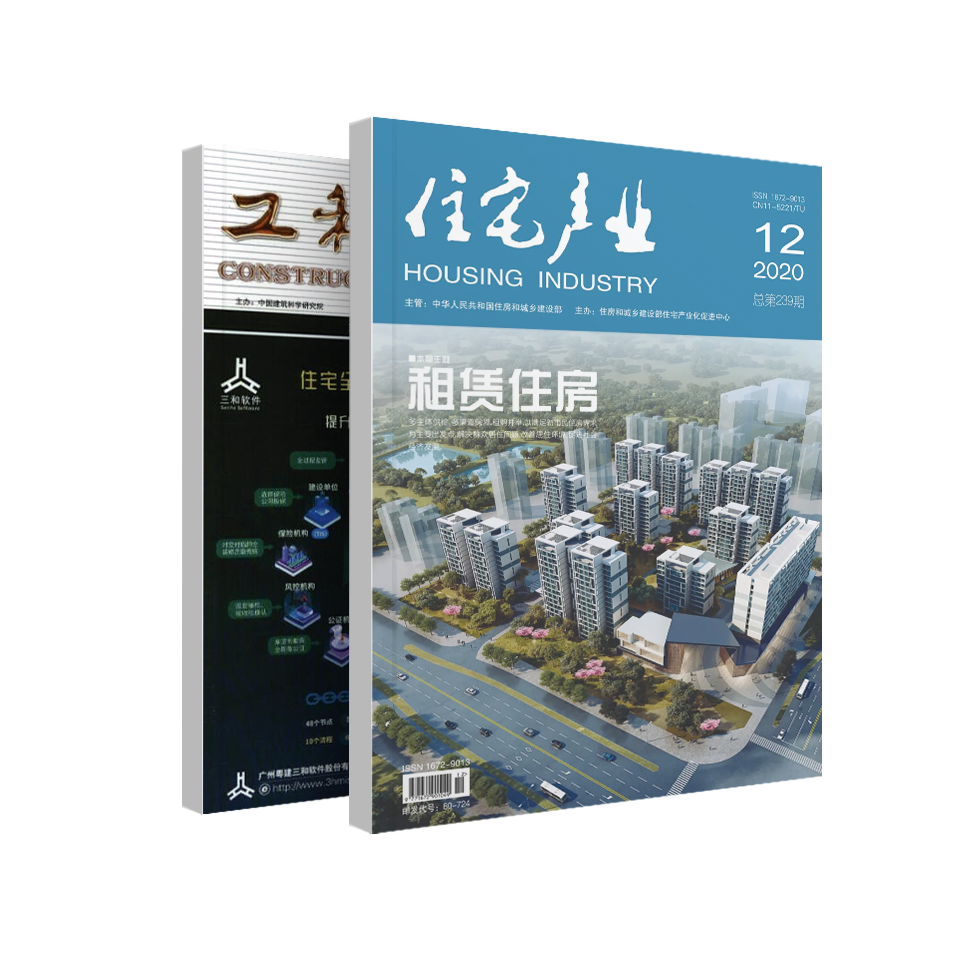
Published 10 articles in national-level journals such as 'Housing Industry' and 'Project Quality', including 'Development and Prospects of Third-Party Engineering Quality and Risk Assessment Services', 'Analysis of Factors Affecting Construction Project Quality and Improvement Suggestions', and 'Common Construction Quality Problems Concerned by Consumers Based on Association Rule Mining', among others.

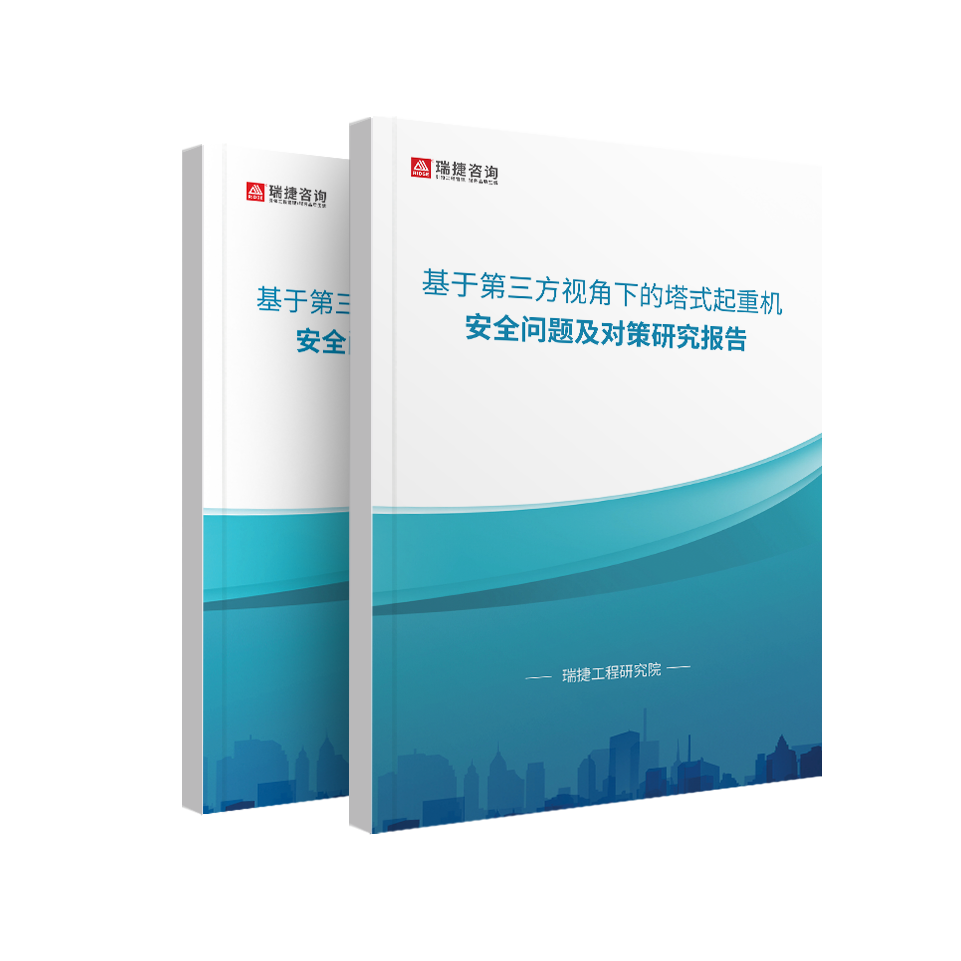
The "Research Report on Safety Issues and Countermeasures of Tower Cranes from a Third-Party Perspective" starts from the safety situation of tower cranes to conduct hazard statistics and analysis of the causes of safety accidents, providing six major safety accident prevention and response measures and three major safety management recommendations.